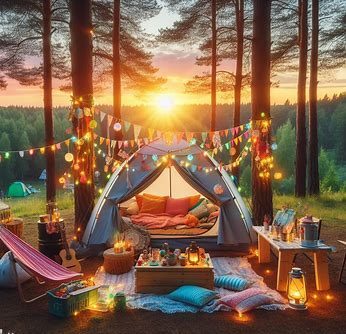
Best Family Tents

Best Family tent for camping

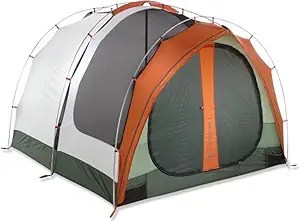
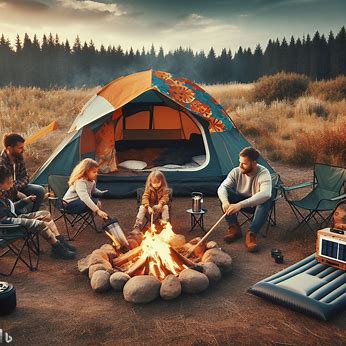
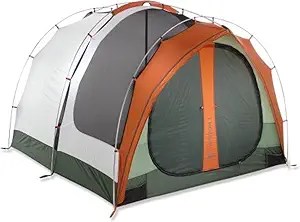
Camping with the whole family can be a fun and memorable experience, but having the right tent is key to keeping everyone comfortable. Best Family tents need to have enough space for multiple people to move around, plus extra features like room dividers and protected rain flies. As you shop for a new tents , keep in mind how many people need to sleep inside and what weather conditions you expect to encounter. 

Best Family Tents

One of the most important factors in a family camping tent is having ample floor space. Look for tents with large dimensions that give people room to spread out with their sleeping bags and personal items. Height is also key – tall tents allow nearly everyone to stand up straight inside and prevent the interior from feeling cramped. 

As a general guideline, allow for at least 15 square feet of floor space per person. So for a tent sleeps five people, aim for a minimum of 75 square feet inside. The center height should be close to 6 feet or taller so most adults can move through the tent without crouching or ducking constantly.

Families come in all sizes and configurations, so look for tents with flexible interior layouts. Many models have removable dividers or hangings that let you create different sleeping rooms as needed. Kids can have their own section while parents get a bit of privacy too. 

Multi-room tents also allow for better airflow through the interior since mesh doors can be left open without losing too much warmth. And different sections mean one person entering or exiting during the night won’t disturb everyone else trying to sleep.

While family tents prioritize livable space over minimal weight and packed size, they still need effective weather barriers too. Make sure to get a rain fly that fully covers the tent with several inches of overlap on all sides. Support struts will lift the fly away from the main tent walls, allowing continuous airflow.

The floor and upper hub should also have taped or sealed seams to prevent water from leaking through stitches. Sturdy stakes and guy-line tie downs equip the tent to handle windy conditions as well.

A family usually brings a lot of camping gear and personal belongings that need to be stored when not in use. So storage organization is key to keeping the tent’s living space clear. Gear lofts utilize open space near the ceiling to stash bags, while multiple pockets sew into the tent walls give quick access to flashlights, watches, and other small items.  

Some extra-large family tents even have full closets or cubbies built into one wall, almost like a bedroom at home. External vestibules can also provide covered storage right outside the doors as well.

If you’re feeling overwhelmed by the myriad tent options out there, this list of top-rated best family tents will help guide your buying decision. We focused on roomy and secure 6+ person tents loaded with family-friendly features.

Center Height 72 inches

• Floor Dimensions 120 square feet 

Doors 1 plus rear window

Divider No

Rain Fly – Full coverage 

This dome-shaped tent pitches in under a minute thanks to its fast-pitch design with pre-attached poles. The hinged door and wraparound fly keep wind and rain sealed out while providing over 7 feet of head clearance inside. There’s enough floor space for up to 3 queen air beds or 6 sleeping bags.

Center Height 78 inches  

Floor Dimensions 156 square feet

Doors 2 plus wall divider

Divider Removable room divider

• Rain Fly Full coverage

CORE Equipment makes this 9 person tent with room stretching dividers to create doors between spaces. The adjustable fly and ground vents boost airflow while blocking morning dew too. Integrated storage pockets keep smaller items secure but easily accessible inside.  

Best Family Tents

• Center Height 78 inches

Floor Dimensions 161 square feet 

Doors 1 plus rear window 

Divider – Removable hanging divider

• Rain Fly Wraparound polyester

This sturdy rectangle tent includes two hanging dividers for customizable rooms. The polyester fly and mesh roof seal out water even in rainy conditions. Shock-corded fiberglass poles make setup quick and the over 10 foot width has space for 3 queen air beds.  

Best Family Tents

Center Height 78 inches

Floor Dimensions 240 square feet

Doors 3 plus 4 windows

Divider Removable room divider

Rain Fly – Fully sealed with awning

One of the largest family camping tents around, this Ozark Trail model works well for gatherings thanks to its 3 room dividers. Nearly 20 feet across, the cabin-shaped tent has enough personal space for lounging plus gear storage areas inside and under the 10 foot awning.

Best Family Tents

Center Height – 87 inches  

Floor Dimensions 240 square feet

Doors 2 hinged

Divider No

• Rain Fly – Full wraparound with vestibules  

Standing nearly 7.5 feet tall, the Big Horn has a free-standing steel frame that sets up in minutes once laid out. This dome structure has almost 15 feet of length for family cots or sleeping pads. The no-see-um mesh roof brings breezes through while keeping insects out. Integrated pockets and gear loops provide organization.

Best Family Tents

• Center Height – 82 inches

• Floor Dimensions – 156 square feet

• Doors – 2 covered vestibules  

• Divider – Removable partition

• Rain Fly – Full coverage

The NTK Laredo GT fits large groups with shelter to spare thanks to the protected vestibules just outside each hinged door. This adds an extra 16 square feet of storage and lounging space secured from wind or rain. The silver-coated polyester reflects sunlight to prevent overheating during hot weather too.

Naturehike Mongar 2 Person Backpacking Tent

The Naturehike Mongar 2 is a lightweight, 2-person backpacking tent that weighs just 4 pounds and 11 ounces. It’s made with high-quality materials, including 20D rip-stop nylon and 7001 aluminum poles, and it’s designed to be rainproof, windproof, and breathable. The tent has a symmetrical ventilation system that helps to keep the air circulating and prevent condensation from building up. It also has two doors and two vestibules, which provide plenty of space for gear.

The Mongar 2 is a great choice for backpackers who are looking for a lightweight and durable tent that can handle all kinds of weather conditions. It’s also easy to set up, even for first-time campers.

Here are some of the key features of the Naturehike Mongar 2 Person Backpacking Tent:

  • Lightweight: Weighs just 4 pounds and 11 ounces
  • Durable: Made with high-quality materials
  • Rainproof, windproof, and breathable
  • Symmetrical ventilation system
  • Two doors and two vestibules
  • Easy to set up


Big Agnes Bunk House 4: Spacious Sanctuary for Outdoor Gatherings

The Big Agnes Bunk House 4 transcends the typical tent, offering a spacious and adaptable haven for car camping, family outings, or group adventures.

Key features:

  • Roomy interior: Comfortably sleeps 4 adults with near-vertical walls and ample headroom for a cabin-like feel.
  • Multi-configuration versatility: Unique options include dividing the space into two separate rooms or creating a large, covered gathering area with awning-style coverage.
  • Comfort-oriented design: Features two large doors for easy entry and exit, two vestibules for gear storage, a built-in welcome mat, and mesh windows with dual closure options for ventilation and privacy.
  • Built to last: High-quality, waterproof materials and sturdy poles ensure reliable protection against the elements.
  • Portable practicality: At 15 lbs 8 oz, it’s manageable for car camping and short backpacking trips.

Beyond camping: The detachable fly converts into a standalone sunshade for picnics or beach outings, adding further versatility to this multifunctional tent.

Beyond the sheer size and sleeping capacity of these tents, certain accessories boost convenience and keep things comfortable. Here are some add-ons to consider picking up for your next big family camping trip.

Footprints create a protective barrier between the ground and your tent floor. This prevents rocks, sticks, and moisture from damaging the floor over time. Custom fitted footprint cloths cover nearly the entire area underneath but weigh less and pack down smaller than a standard tarp.

If camping at sites with electrical outlets, look for camping tents featuring built-in power cord ports. These seal up when not in use to prevent moisture or bugs from getting inside. But they allow running a fan, string lights, or even a small space heater inside.

Attached storage hammocks mounted near the ceiling increase usable space without taking up floor footprint. Toss rolled up clothes, bags, or blankets overhead to keep high-traffic areas below open. Lofts add valuable organization so you can find what you need quickly.

Whether permanently affixed or removable, room separators help manage privacy and noise. Families can spread out by personal preferences without bothering others entering, exiting, or turning on lamps in other sections throughout the night. Divided tents also allow customizing airflow or heating as desired.

Breathable openings fitted with stove jack flaps let you run portable camp stoves or grills without losing heat or letting in too much weather. Flaps seal around the fuel lines while venting smoke outside but close off fully when not cooking via velcro, snaps, or drawstring.

Finding spacious, durable tents with family-friendly features will make camping with a whole crew much easier and more enjoyable. Prioritize floor dimensions, interior height, weather protection, and flexible room configurations as you compare top-rated models. Accessories like dividers, power ports, storage lofts and stove vents also increase comfort and versatility season after season.

With smart planning and an eye for quality gear made to last, family camping promises countless smiles, stories, and precious memories no matter the destination. The right and best family camping tent provides an ideal home base for multi-day adventures exploring the outdoors together.
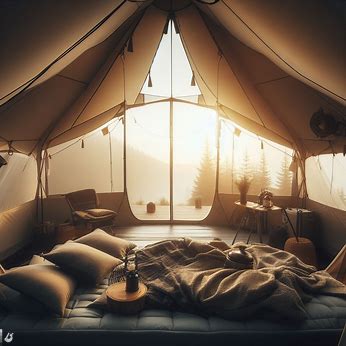
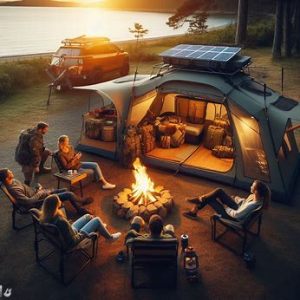
The Best Tents for Spacious Comfort and Convenience

The Best Tents for Spacious Comfort and Convenience

When you’re out camping, having enough room to stretch out and relax can make all the difference between a good time and a great time.I don’t know about you, but I’m ready to sink back into cozy spaciousness after a strenuous day of trekking or whatever other outdoor activity I’ve engaged in. I’ll be content as a clam if you provide me with a tent with some elbow and headroom! 

Many tents on the market are designed primarily with backpackers in mind, emphasizing lightweight portability over comfortable living quarters. And for some, that’s okay. Though you’re probably going to be vehicle camping anyhow, the Best Tents for Spacious Comfort and Convenience are ideal for family or group camping outings, so why not go large? We’re talking about spaces with tall ceilings,

When my friends and I go camping, we like to joke about glamping,or glamorous camping. Give us our trekking and fishing by day, but by night, we want room service and champagne, or at least enough space to feel like royalty. A nice, spacious tent goes a long way toward glamping without sacrificing being close to nature. A tent isn’t going to have marble countertops, but it can still feel like a luxurious home away from home. 

So, if you want to camp in serious luxury and style, let me offer the greatest capacious tents I’ve found. These bad guys have square feet for miles, vertical walls to keep you from hunching inside, and all the extra pouches, vents, windows, and doors that make glamping a breeze. The Best Spacious and Convenient Tents Forget all claustrophobic camping; these luxurious camping tents will make you feel like you’re in a luxurious outdoor mansion.

The Best Tents for Spacious Comfort and Convenience

First up is the Marmot Limestone 6P tent. With space for up to 6 campers and almost 100 square feet of floor space, you could throw a mini rave in this thing! The vertical walls let you stand up tall rather than crouch. That’s a game changer after you’ve been hiking and scrambling all day. The ceilings are over 7 feet high, so even my 6’2” brother has no issues with headroom. 

The Marmot Limestone has two big doors so you’re not crawling over each other just to get in and out. Nobody likes close talks with smelly tent-mates! Marmot also equipped this tent with four massive windows to get a breeze going. You can really open this baby up when the weather is nice. And when it’s not, the top-notch rain fly and seam sealing will keep you high and dry.

Overall, I’d say the Marmot Limestone 6P is ideal for bigger families or groups who need to stretch out at the end of an adventurous day. You’ll have plenty of room to hang out together or break into smaller groups in the different tent “rooms.” Just lay out your sleeping pads and leave the rest open for playing games, reading, or just chilling with your crew. 

The Best Tents for Spacious Comfort and Convenience

Next on my shortlist of most spacious tents is The North Face Wawona 6. The Wawona has a seriously roomy 98 square feet of space inside with a peak center height of over 6 feet. I can easily stand up, and taller guys have no problem either. This tent feels so open thanks to the near-vertical walls and steep-angled ceiling. While some tents taper in at the top and shrink the usable space, this dome design gives you a ton of livable room.

The oversized door on the North Face Wawona really maximizes that spacious entry and exit. No embarrassing create moments here! You also have gigantic windows all around the tent so you can feel immersed in nature while being protected from the rain. And when I say rain protection – I mean it. North Face built this tent to handle some seriously intense weather. The rain fly extends way over the front door to create a sheltered entry space. 

Overall, the North Face Wawona 6 is ideal for bigger groups who still want lots of standing room and a roomy feel. The ventilation can’t be beat, and neither can the weather resistance. Just stake it out and you’ll be set in even gnarly wind and rain!

The Best Tents for Spacious Comfort and Convenience

REI went all out when they designed the Kingdom 6 tent. With vertical walls and adjustable vents everywhere, the Kingdom has mastered the art of the ultimate breezy, breathable spacious camping tent! Coming in at a massive 94 square feet, this tent can sleep up to 6 campers or give 4 people an absolute luxury amount of space. 

I love how many mesh panels the Kingdom incorporated into its design. You really feel in tune with nature in this tent while still being sheltered from the rain. If you’re like me and love falling asleep to a gentle breeze, the Kingdom was made for you. It’s got vents for days! Don’t worry about cooling down on hot summer nights in this bad boy.

The REI Kingdom also focused on making entry and exit as easy as possible with its double-door design. No awkward dance party maneuvers are required here. You can come and go super easily from either side. And the covered vestibule areas outside each door give you space to store your muddy boots or gear. 

Overall, I’d say the REI Kingdom 6 is ideal for bigger groups who need ventilation galore alongside rain protection. Between the huge square footage and superior airflow, you’ll be sleeping soundly through many a camping trip in this roomy yet breezy tent.

The Best Tents for Spacious Comfort and Convenience

Sometimes after a long hike, the last thing you want to do is fumble with tent poles and try to figure out which pieces go where. That’s where instant setup tents like the Core 6 Person Instant Cabin are lifesavers! Just unfold this bad boy and let the pre-attached poles pop into place. Your roomy tent will be ready to party in within 60 seconds. Talk about convenience!

Despite the quick setup, this tent doesn’t cut corners on livable space. With around 90 square feet inside, you can easily fit 6 sleeping pads with room to lounge. The center peak height is tall enough for standing upright too. The Core Instant Cabin uses a cabin-style shape to maximize usable interior room, so you don’t lose space to tapering walls. 

My favorite part is the removable divider panel that lets you create separate “rooms” in the tent. It feels just like you’re in a little home, especially with the electrical cord access port! Run a string of cute twinkle lights in there and you might forget you’re even camping. 

So if a fast setup and tons of square footage top your wish list, be sure to check out the Core Instant Cabin tent!

The Best Tents for Spacious Comfort and Convenience

The NTK Arizona GT tent is a fantastic choice for BIG groups who want ample space for everyone to bed down and hang out comfortably. This sucker offers over 200 square feet of spacious interior! You could bring your whole extended family and then some. There’s room for up to 9 campers to sleep like babies after an epic day of adventures.

Not only is the NTK Arizona massive in overall size, but it’s also tall enough to stand up easily inside. The side walls are steep and vertical to maximize livable space. Even the pickiest campers will be happy with the roomy feel. With two big doors on either side and over 6 feet of center height, coming and going is a breeze too.

Ventilation is also top notch in the NTK Arizona. There are screens all over this tent so air can flow freely to keep you cool at night. The rain fly will keep you dry if the weather takes a turn without compromising airflow. 

Overall, I’d recommend The NTK Arizona for BIG groups and families who want a literal home away from home and feel out in nature. This tent provides livable space and then some!

The Best Tents for Spacious Comfort and Convenience

Moving on up the massive tent scale, we’ve got the Coleman Red Canyon tent built for epic car camping with large groups. This thing is seriously ginormous at 17 feet by 10 feet! With 172 square feet of livable space, you could host a family reunion in here. There’s also plenty of height for standing upright and moving around.

Even with max capacity, the Coleman Red Canyon has room left over for your gear thanks to large extended door awnings and mesh storage pockets inside. Those mesh pockets are key for keeping your stuff organized and off the floor. Nothing ruins a camping trip like a puddle of rainwater where your sleeping bag is supposed to go!

Smaller kids will love the partition panel that lets you make a separate “kids’ room” in this tent. Let them have their own space for whatever silly games they like to play. Meanwhile, you can relax with the adults!

The Coleman Red Canyon sets up fast too – those color-coded poles make it pretty foolproof. Just extend them out and click them into place. Done! With its massive footprint and convenient features, the Coleman Red Canyon is my top recommendation for palatial tent camping with crowd-sized groups!

The Best Tents for Spacious Comfort and Convenience

When you think “spacious” for camping, you probably picture lots of mesh for airflow. Mesh walls make a tent feel more open. But with spacious canvas tents like the Kodiak Flex-Bow 8, you can have both airflow AND the cozy enclosed feeling of a cabin tent!

This tent uses hydra-shield canvas to give you over 100 square feet of roomy interior in a classic canvas wall style. The sloped walls still allow plenty of headroom to stand up, but you feel more “tucked in” than exposed mesh walls. I love pitching a canvas tent for that old fashioned vibe.

Despite the throwback look, the Kodiak Flex-Bow has plenty of modern features too. The no-see-um mesh windows allow breezes while keeping tiny bugs out. You’ll stay comfortable in warmer weather while avoiding mosquito bites! For chillier nights, roll down the canvas sides for more insulation.

This camping tent also uses heavy duty steel and YKK zippers to stand up to frequent use and the elements. No wimpy breakable hardware here! Kodiak built the Flex-Bow canvas tent to handle serious weather while keeping you comfy.

So if you like the durability and coziness of a cabin-style canvas tent but want maximum space, be sure to check out the Kodiak Flex-Bow 8!

The Best Tents for Spacious Comfort and Convenience

Next up on my list of awesomely spacious tents is the Big Agnes Big House 6. It really does live up to its “big” name with a cavernous 60+ square feet inside! With that much space, you can easily spread out and make yourself at home out in nature. 

The Big House has near-vertical walls and a steep ceiling so the interior feels extra tall and open. The high peak clearance of 78 inches leaves plenty of headroom for even tall guys to stand up. Big Agnes also equipped this tent with massive D-shaped double doors for easy entry and exit. No more awkward shimmying and crouching to get in!

Ventilation is stellar too thanks to large mesh windows on all sides and mesh ceiling panels. Get a crossbreeze going on warm summer nights. The rain fly will keep you dry if the weather sours. Lightweight but still sturdy polyester tent fabric makes the Big House durable yet easy to transport.

I’d recommend the Big Agnes Big House 6 for roomy base camping with smaller groups who still want spaciousness without a huge packed weight. The high quality build and breathable comfort make this tent feel downright deluxe!

The Best Tents for Spacious Comfort and Convenience

Sometimes camping with the whole extended family means you need a BIG tent. That’s where the Eureka Copper Canyon LX 8 comes in. This beast of a tent provides over 100 square feet of livable floor space so you can camp in serious comfort with a crowd. We’re talking standing headroom plus room left over even with max capacity.

The Copper Canyon feels so spacious thanks to tall vertical walls, a high peak roof, and double doors for easy entry. Big mesh windows and ceiling vents allow superior airflow so everyone stays comfy. Even on hot muggy nights or with a full tent, you’ll get enough ventilation. 

Despite the huge size, the Copper Canyon sets up fast thanks to shock corded fiberglass poles that slide together smoothly every time. The pin and ring system lets you securely pitch the tent fly to handle wind and rain while keeping the interior dry. Impressive weather protection for such a massive tent!

So if you have a big family or regularly camp in huge groups, check out the Eureka Copper Canyon LX 8. This is the Taj Mahal of tents!

The Best Tents for Spacious Comfort and Convenience

Sometimes you don’t need a massive tent for a crowd…just gigantic amounts of space for two! If you love camping as a couple but want extra elbow room for luxurious comfort, I highly recommend The North Face Homestead Roomy 2 tent. This two person tent has an outrageous 42 square feet of floor space! 

You might think they mislabeled this tent because that’s more square footage than a lot of 4 person tents. The very vertical walls and overhead shelving let you make the most of the available interior space too. You can stand up, spread out, stash gear overhead – it’s palatial for just two campers.

I also love the wraparound vestibule on the North face Homestead Roomy 2. It provides covered storage outside the tent so you don’t lose livable space inside your muddy boots and bags. The oversized dual doors make entry and exit a piece of cake even for us bigger folks. 

The mesh up top allows stellar ventilation for such a small tent. Don’t sweat condensation on those warm summer nights! And at just 5 pounds packed weight, it’s still reasonably lightweight.

So treat yourself and your partner to the ultimate two-person glamping experience with The North Face Homestead Roomy 2. You’ll wonder how you ever squeezed into those claustrophobic 1-2-person backpacking tents!

The Best Tents for Spacious Comfort and Convenience

So there you have it – my selections for the most large comfort and convenience camping tents on the market today! There’s something here for every large camping need, from massive 8-person base camping setups to crazily roomy tents for just two. 

After a long day of adventure, you deserve to unwind and stretch out under the stars. So do your friends and family! With any of these amazing spacious comfort and convenience tents, you can relax in comforting home-away-from-home comfort no matter where your adventures take you. Simply spread out the sleeping pads and enjoy the extra elbow room. Happy glamping!

The Best Tents for Spacious Comfort and Convenience

The Great Tent Debate: Inflatable vs. Poled – Which is Better for Camping?

Selecting the right camping tent is a crucial decision for outdoor enthusiasts. Your portable shelter can make or break camping and backpacking trips. Two popular options are inflatable tents and traditional tents with poles. Both have passionate supporters and critics. So which tent type is truly superior? 

This comprehensive guide examines the advantages and disadvantages, key features, and real-world benefits of inflatable tents versus pole-supported tents. You’ll learn how to determine which tent style best suits your camping needs and preferences. We’ll dig into the great tent debate – inflatable or poled? Read on to understand the pros and cons of each so you can decide which type of tent is ideal for your next adventure.

The Great Tent Debate: Inflatable vs. Poled - Which is Better for Camping?

The Case for Inflatable Tents  

Inflatable tents first hit the scene in the 1990s, but have really taken off in the last 10 years. Unlike traditional tents, inflatables don’t use metal or fiberglass poles to hold up the tent. Instead, they rely on air pressure to give the tent its structure.

Setting up an inflatable tent is super easy. You just unroll it, stake down the corners, and pump air into the built-in air beams. This inflates the tent into its familiar dome-like shape. The air beams act like poles to make the tent freestanding once inflated. 

To pump it up, you can use a simple high-volume manual pump – no electricity required. Or for ultra-fast setup, optimizer for a battery-powered pump that can fully inflate a 3-4 person tent in about a minute. 

However you inflate it, setup is much faster and easier than fiddling with all the poles on a traditional tent. Just unroll, inflate, and your shelter is ready to use in moments! The quick, simple setup is a major perk for many campers and backpackers.

So what are the benefits of choosing an inflatable tent?

Ultra Quick, Easy Setup

Ask veteran campers what they hate most and many will say wrestling with tent poles and tricky rain flies. Inflatable tents solve this problem with incredible ease of setup. Most inflatable tents can pop up in just 60 to 90 seconds! You’ll have your shelter ready to go moments after pulling it out of your pack. No lengthy assemblage y or complex poles required. 

To inflate optimize set unroll the tent, stake down the corners, and start pumping air into the beams. High-volume manual pumps get the job done quickly without the need for batteries or electricity. For ultra-fast setup, you can optimize for battery-powered pumps that will inflate a 3-4-person tent in under a minute. Setup doesn’t get much easier than this!

Compact, Lightweight Design

Inflatable tents don’t need big, bulky poles to hold their structure. This allows them to pack down very small and light. Poled Premium inflatable tents can weigh as little as 4 to 6 lbs! Even budget-friendly models are impressively compact. This makes inflatables a top choice for backpacking, bike touring, and other adventures where every ounce counts. 

Their slim packed profile also makes inflatable tents easy to stash in your trunk or gear closet when not in use. You’ll have more room for other camping items too.

STAND-UP HEADROOM & INTERIOR SPACE 

Thanks to their innovative structure, inflatable tents provide noticeably more headroom and interior volume compared to typical poled tents. You can comfortably stand up, move around, and change clothes inside. This roomy interior feels downright palatial compared to low-profile backpacking tents.

The extra space also makes inflatables fantastic for camping with families or car camping where weight is not an issue. Kids and gear can easily fit inside. Features like separate bedrooms and tall “stand-up” middle sections are common. Overall, the livability and versatility is a major perk.

All-Season Versatility

While mesh inner tents make inflatables excellent for warm-weather camping, they can adapt for colder seasons too. Many models offer stove jackets and vents for hot tenting. Brands like Kodiak Canvas make 4-season inflatable tents with solid, insulated sidewalls and rain flies to handle harsh alpine conditions. From spring car camping to winter alpine trips, inflatables can do it all.

Better Weather Resistance 

Inflatable tents tend to offer better weather protection than typical lightweight backpacking tents. The thick, proprietary fabrics and air-filled beams are exceptionally wind and snow-resistant. Staking them out solidly can make them as sturdy in storms as heavier 4-season tents.  

If bad weather hits, rest assured that modern inflatable materials can handle rain, snow, and heavy winds while keeping your bone dry inside. From derechos to nor’easters, these tents are built to handle whatever nature throws at them.

The Case for Poled Tents

Now let’s examine the benefits of traditional poled tents. While they lack some of the modern perks of inflatables, poled tents have been proven effective by generations of campers. They remain ideal for many scenarios.

Time Tested Design 

While inflatable tents are still the new kid on the block, poled tents have decades of real-world testing behind them. The basic design – poles + waterproof outer + breathable inner tent – has been refined over the years for maximum weather protection, easy setup, and reliability. Build quality and durability have steadily improved too.

For experienced campers wary of newfangled gear, it’s hard to beat this tried-and-true design perfected over the years. You know exactly what you’re getting with a quality poled tent.

Affordable Pricing

From budget-friendly Walmart tents to ultralight backpacking models, poled tents are widely available at lower price points compared to inflatables. You can get a decent 3-season model for under $100. Even premium 4-season tents from Big Agnes or MSR cost hundreds less than equivalent inflatable models.

For family and group camping, the cost savings of going with poled tents can really add up. You’re simply getting more bang for your buck. For occasional campers, the lower investment also stings less if the tent only gets used a few times a year.

Adaptability & Customization

Need a gear closet for muddy boots? How about a screen porch for bug-free chilling? Poled tents allow ample flexibility to pitch them creatively based on the conditions and your unique needs. You can add on vestibules, rain flies, screen rooms, footprint groundsheets and more. Inflatable tents don’t offer the same customization. 

Poled tents give you more creative control over your shelter. Hunting camps can be camouflaged; screen houses created for summers on the lake. Pitch configurations like A-frames can handle significant snow loads. The adaptable pole structure lends itself to innovations inflatables can’t match.

Repairability   

Accidents happen on camping trips. Individual tent poles and fabrics are easy to replace and repair compared to inflatable beams and proprietary fabrics. A seized zipper or small tear is a quick fix – just whip out the repair kit you hopefully remembered to pack!

With an inflatable camping tent, damage to the air beams often necessitates sending the entire tent back to the manufacturer for costly repairs. For people who camp frequently in rough terrain, the ease of fixing poled tents themselves is a major plus.

Ventilation & Temperature Control

Thanks to their mesh inners and rain fly ventilation, traditional tents breathe exceptionally well in hot, humid weather. This greatly reduces condensation and makes them more comfortable in muggy climates. Opening up doors, windows, and vents provides excellent airflow control. 

Inflatable tents’ waterproof outer layers and solid frames tend to trap more heat inside. You’ll be more likely to wake up soaked in condensation. Their enclosed design gives you less fine-tuned control over ventilation on sultry nights.

Choosing Your Perfect Tent

So should you go with an inflatable or poled tent? Here are a few key factors to consider before deciding:

– Weight – For ultralight backpacking, inflatables can’t be beat. For car camping, weight doesn’t matter as much.

– Setup/Takedown Time – Inflatables are vastly quicker and easier to pitch and take down.

Weather Resistance – Inflatables tend to offer more wind, rain, and snow protection. 

– Budget – You’ll pay more upfront for a comparable inflatable tent.

– Customization – Poled tents offer more adaptability with add-ons like screen porches. 

– Group Size – Inflatables provide more interior space for bigger groups.

– Repairability – Poled tents are easier to fix minor damage and worn parts yourself.

– Ventilation – Traditional tents breathe better in hot, muggy weather.

Digging Deeper: Key Features and Technologies

Now that we’ve covered the core benefits of each tent type, let’s take a more in-depth look at some of their technical features and innovations. Understanding these key characteristics will help you evaluate specific tent models.

Inflatable Tent Fabrics

Inflatable tents live and die by their proprietary fabrics. They need to be lightweight yet extremely tear resistant to handle the tensile stress. Common materials include:

– Polyester – The most affordable and widely used tent fabric. Resists UV damage.

– Nylon – Known for high strength, nylon is more tear resistant but less UV stable than polyester.

– Cotton – Used on higher-end inflatables like Kodiak Canvas. Breathable and very durable but also heavier.

– Poly/Cotton Blends – Mix the strength of polyester with the breathability of cotton for the best of both worlds.

PU Coatings – The secret sauce on inflatable tent fabrics is the polyurethane (PU) coating. This bonding provides waterproofness and high tensile strength. Look for 3000mm to 5000mm PU coatings.

Air Beam Construction

Inflatable beam technology has come a long way from the inflatable arches in bouncy castles. Different beam materials and construction methods include:

– PVC – Cheaper but heavier. PVC air beams lack internal structure so can bulge in gusty winds. 

– Polyester – Lightweight yet strong. Internal I-beam design maintains form in wind. The gold standard for premium inflatables.

– Unicell Beam Wall – Smaller tubes knit together for even beam inflation and greater resilience. Found on high-end brands like Big Agnes and Nemo. 

– Wide Body Beams – Single large air tubes for fastest inflation. Require less staking but provide less structure. Common on budget tents.

Poled Tent Fabrics

Traditional poled tents also utilize specialized fabrics and coatings:

– Ripstop Nylon – Woven with interlaced reinforcement threads for tear resistance. Lighter than polyester.

– Siliconized Nylon – Silicon coating cuts down on fabric noise in windy conditions. 

– Polyurethane Coating – Waterproofing applied to the outer fly, though less critical than on inflatables. Look for 1500-3000 mm ratings.

– SilNylon – Ultra lightweight nylon impregnated with silicone for water repellency. Used on UL shelters.

– Canvas – Heavy duty cotton canvas offers vintage appeal on wall tents and safari-style models.

Pole Types

Poled tents use different pole materials based on priorities like weight, strength, and packed size:

– Aluminum – Super lightweight but can bend in high winds. Common in backpacking tents.

– Steel – Extremely strong and wind resistant but heavier. Used on expedition tents. 

– Fiberglass – Good balance of sturdiness and packability. Popular choice for camping tents.

– DAC Featherlite NSL – Premium tent poles renowned for their unmatched strength-to-weight ratio. Found on high-end tents.

Tent Stakes 

Don’t underestimate the importance of good stakes, which provide tension and security for both tent types:

– Y-Beam Stakes – Hold best in loose soils. Easy to insert but bend out over time.

– V-Angle Stakes – Stronger and more resistant to pull outs in hard or rocky ground. 

– Shepherd Hooks – Best for sandy soils. The spiral hook shape won’t straighten under load.

– Snow Stakes – Essential for winter camping. Giant corkscrew design grips solidly in snow.

Matching Tent Features to Your Needs

Once you understand the core technologies, focus on choosing features that best match your camping style and priorities:

Backpacking – Every ounce counts, so look for lightweight inflatables or ultralight poled tents built with dyneema composite fabrics or SilNylon. Focus on packed weight and dimensions.

The Great Tent Debate: Inflatable vs. Poled - Which is Better for Camping?

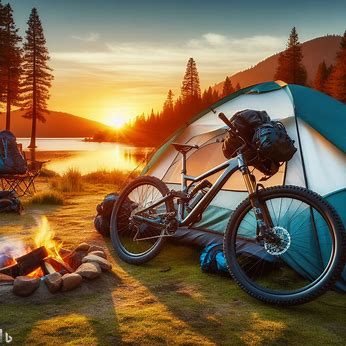
Bike Touring – Low packed weight still matters, but opt for inflatables or poled tents with more livable space. Quick setup after a long day riding is key. 

The Great Tent Debate: Inflatable vs. Poled - Which is Better for Camping?

Car Camping – Full stand-up height and roomy interiors take priority here. Look for inflatables with electric pumps or spacious cabin-style poled tents. Weight doesn’t matter.

The Great Tent Debate: Inflatable vs. Poled - Which is Better for Camping?

Winter Camping – Bomber construction and insulation are must-haves for snowy and alpine environments. Seek out 4 season inflatables or rugged mountaineering poled tents built to handle serious winds and precipitation.

The Great Tent Debate: Inflatable vs. Poled - Which is Better for Camping?

Hot Weather Camping – Go for lightweight, well-ventilated shelters. Inflatables with removable screens and poled tents with maximum mesh and airflow options are ideal for sweltering, humid nights. 

The Great Tent Debate: Inflatable vs. Poled - Which is Better for Camping?

Extreme weather Camping -Brave freezing temps and gale winds in hardcore shelters like four-season tents. Seek sheltered spots to avoid the worst exposure. Insulate with thick sleeping bags and pads. Stay dry with waterproof gear. Carry extra fuel and food. Know signs of hypothermia. Don’t risk lives in dangerous conditions. Prioritize safety over summits.

The Great Tent Debate: Inflatable vs. Poled - Which is Better for Camping?

Group Camping – For families or car camping crews, livable square footage and easy setup are prime. Multi-room inflatables or expansive poled tents with room for 4+ people fit the bill. 

The Great Tent Debate: Inflatable vs. Poled - Which is Better for Camping?

Ultimately, the “perfect” tent comes down to matching key performance metrics – packed weight and size, interior space, weather protection, ventilation, ease of setup – with your intended camping activities and weather conditions. Shop smartly!

Top Inflatable & Poled Tent Recommendations

Ready to start shopping for your ideal tent? Here are some of our top-rated recommendations in both categories:

Best Inflatable Tents

Nemo Wagontop 6P:

Spacious stand-up design perfect for families. Unicell beams add resilience. 

The Great Tent Debate: Inflatable vs. Poled - Which is Better for Camping?
Big Agnes Bunkhouse 4:

Innovative pole-less inflatable for easy setup at the campground. 

The Great Tent Debate: Inflatable vs. Poled - Which is Better for Camping?
Kodiak Canvas Flex-Bow Deluxe:

Luxuriously appointed yet rugged 4 season tent built to last.

The Great Tent Debate: Inflatable vs. Poled - Which is Better for Camping?
Coleman Carlsbad 4:

Affordable, free-standing inflatable great for casual camping. 

The Great Tent Debate: Inflatable vs. Poled - Which is Better for Camping?
Heimplanet The Cave:

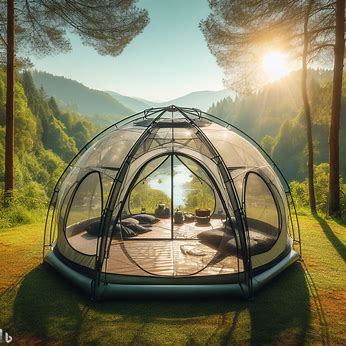
Geodesic inflatable better withstands high winds. Outstanding weather protection.

The Great Tent Debate: Inflatable vs. Poled - Which is Better for Camping?

Best Poled Tents  

Big Agnes Tiger Wall UL2:

Iconic ultralight backpacking tent featuring easy pitch design.

The Great Tent Debate: Inflatable vs. Poled - Which is Better for Camping?
REI Co-op Kingdom 6 :

Convenient cabin-style tent with room to stand and ample vestibules. 

The Great Tent Debate: Inflatable vs. Poled - Which is Better for Camping?
MSR Remote 2:

Expedition-ready for serious alpine climbing and mountaineering objectives. 

The Great Tent Debate: Inflatable vs. Poled - Which is Better for Camping?
Coleman Sundome 4:

Time-tested budget tent ideal for short camping trips. 

The Great Tent Debate: Inflatable vs. Poled - Which is Better for Camping?
ALPS Mountaineering Lynx 2:

Freestanding two-person tent with great ventilation at a reasonable price.

The Great Tent Debate: Inflatable vs. Poled - Which is Better for Camping?

The Takeaway

So there you have it – everything you need to know to decide between inflatable tents and poled tents. Both offer great performance with the right features to match your camping style and budget. Inflatables take the cake for quick setup and packability. Poled tents win on ventilation and customization. 

There’s no universally “superior” choice overall – pick the tent type that’s optimal for your next adventure! With smart shopping, you’ll find the perfect shelter to make lasting memories on your outdoor getaways. Here’s to many nights under the stars ahead!

The Great Tent Debate: Inflatable vs. Poled is a topic that has been raging among campers for years. Some people swear by the convenience and ease of use of inflatable tents, while others prefer the sturdiness and reliability of poled tents. So, which type of camping tent is right for you?

Best Camping Tents in 2024

Introduction

Camping is a great way to enjoy the outdoors and connect with nature, but to make your trip comfortable and safe, you need a good tent. The best camping tent in 2023 is the one that best meets your needs, considering factors such as the size of your group, the weather conditions you’ll be camping in, and your budget.

There are many different types of camping tents available, ranging from small and lightweight backpacking tents to large and spacious family tents. When choosing a tent, it is important to consider your needs and budget.

Factors to Consider When Choosing a Camping Tent

Here are some of the key factors to consider when choosing a camping tent:

  • Size: How many people will be using the tent? Choose a tent that is large enough to comfortably accommodate everyone.
  • Weight: If you are planning on backpacking or hiking, you will need a lightweight tent. However, if you are car camping, weight is not as much of a concern.
  • Design: There are two main types of camping tent designs: dome and cabin. Dome tents are easier to set up and take down, but cabin tents offer more space and headroom.
  • Features: Some tents come with additional features, such as vestibules, gear lofts, and storage pockets. Consider which features are important to you.
  • Quality: Choose a tent that is made from high-quality materials and construction. This will ensure that your tent lasts for many years.
  • Price: Camping tents can range in price from a few hundred dollars to over a thousand dollars. Set a budget before you start shopping and stick to it.

Best Camping Tents in 2024

Here are some of the best camping tents in 2024, based on a variety of factors, including size, weight, design, features, quality, and price:

1. 2-Person Tent, Water Resistant Dome Tent for Camping with Removable Rain Fly and Carry Bag by Wakeman Outdoors

This tent is perfect for couples or solo travelers who want a simple and affordable tent for camping. It is easy to set up and take down, and it comes with a removable rain fly and a carry bag for convenience. The tent has a spacious interior that can fit a queen-sized air mattress, and it has two windows and a large door for ventilation. The 2-Person Tent by Wakeman Outdoors is made of durable polyester fabric that is water-resistant and UV-protected. The tent also has a hook for hanging a lantern or flashlight inside. The 2-Person Tent by Wakeman Outdoors tent weighs only 2.2 pounds, making it easy to carry around. The tent has a rating of 4.3 out of 5 stars on Amazon, with many customers praising its value for money, quality, and ease of use.

Best Camping Tents in 2023

2. E-Z-UP Cc 10 SLR B Outdoor Camping Cube 6.4 Tent with Carry Bag

This tent is ideal for families or groups who want a spacious and versatile tent for camping. It is designed to fit under any 10’ x 10’ straight leg canopy, creating a comfortable living space that can accommodate up to six people. The E-Z-UP Cc 10 SLR B  Camping Tent  has three windows and two doors for ventilation, and it has mesh pockets and a gear loft for storage. The E-Z-UP Cc 10 SLR B  Camping Tent  also has an entry point for power cords, allowing you to use electric devices inside the tent. The tent is made of high-quality polyester fabric that is water-resistant and fire-retardant. The tent comes with a carry bag for easy transport and storage. The tent has a rating of 4.6 out of 5 stars on Amazon, with many customers loving its roominess, functionality, and durability.

3. Neature Camping Shower Tent Outhouse Change Room

This tent is perfect for campers who want some privacy and convenience when taking a shower or changing clothes in the outdoors. It is a pop-up tent that can be set up and folded down in seconds, and it comes with a carry bag for portability. The Neature Camping Shower Tent has a large zippered door for easy access, and it has four mesh windows for ventilation and visibility. The tent also has a hook for hanging a shower bag or a towel, and it has a mesh floor that drains water quickly. The Neature Camping Shower Tent is made of high-density polyester fabric that is water-proof and anti-tear. The tent also has four wind ropes and eight stakes to keep it stable in windy conditions. The tent has a rating of 4.4 out of 5 stars on Amazon, with many customers appreciating its convenience, quality, and stability.

4. Stan’s Port Scout Backpack Tent

This tent is suitable for backpackers or hikers who want a lightweight and compact tent for camping. It is a classic A-frame style tent that can fit up to two people, and it has a front door with a zippered mesh window for ventilation. The Stan’s Port Scout Backpack Tent is made of sturdy polyurethane-coated nylon fabric that is water-resistant and durable. The Stan’s Port Scout Backpack Tent also has aluminum poles that are easy to assemble and disassemble, and it comes with ropes and stakes for securing the tent. The tent weighs only 3.8 pounds, making it easy to carry in your backpack. The tent has a rating of 4 out of 5 stars on Amazon, with many customers liking its simplicity, reliability, and affordability.

5. Coleman 8-Person Red Canyon Tent

This tent is great for large families or groups who want a comfortable and spacious tent for camping. It can fit up to eight people, and it has three separate rooms that can be created by using the removable dividers. The Coleman 8-Person Red Canyon Tent has a large door and six windows for ventilation, and it has storage pockets and a gear loft for organization. The tent is made of heavy-duty polyester fabric that is water-resistant and weather-proof. The Coleman 8-Person Red Canyon Tent also has shock-corded fiberglass poles that are easy to set up and take down, and it comes with an expandable carry bag for convenience. The tent has a rating of 4.3 out of 5 stars on Amazon, with many customers raving about its size, comfort, and quality.

6. 4-Person Tent, Water Resistant Dome Tent for Camping with Removable Rain Fly and Carry Bag by Wakeman Outdoors

This tent is similar to the 2-person tent by Wakeman Outdoors, but it is larger and can fit up to four people. It is also easy to set up and take down, and it comes with a removable rain fly and a carry bag for convenience. The 4-Person Tent by Wakeman Outdoors has a spacious interior that can fit a queen-sized air mattress, and it has two windows and a large door for ventilation. The tent is made of durable polyester fabric that is water-resistant and UV-protected. The 4-Person Tent by Wakeman Outdoors also has a hook for hanging a lantern or flashlight inside. The tent weighs only 4.8 pounds, making it easy to carry around. The tent has a rating of 4.1 out of 5 stars on Amazon, with many customers enjoying its value for money, quality, and ease of use.

Best Camping Tents in 2023

Conclusion

Choosing the right camping tent can make a big difference in your camping experience. Consider your needs and budget when making your decision, and read reviews of different tents before you buy. With so many great tents on the market, you are sure to find the perfect one for your next camping trip.

Additional Tips for Choosing a Camping Tent

  • Consider the climate where you will be camping. If you are camping in a cold climate, you will need a tent that is insulated. If you are camping in a hot climate, you will need a tent that is well-ventilated.
  • Think about how much time you will be spending in your tent. If you are planning on spending a lot of time in your tent, you will need a tent that is comfortable and spacious.
  • Read reviews of different tents before you buy. This can help you to learn about the pros and cons of different tents and to choose the right one for your needs.

About

Welcome to Tenting Thirlls, where we specialize in honest and detailed camping tent reviews. Our team of outdoor experts tests and evaluates tents to help you make informed choices for your outdoor adventures. Explore our unbiased reviews, practical guides, and join our camping community to enhance your camping experience. Discover the perfect shelter for your next trip with Tenting Thrills!

Protected by Tenting Thrills