
Selecting the right camping tent is a crucial decision for outdoor enthusiasts. Your portable shelter can make or break camping and backpacking trips. Two popular options are inflatable tents and traditional tents with poles. Both have passionate supporters and critics. So which tent type is truly superior?
This comprehensive guide examines the advantages and disadvantages, key features, and real-world benefits of inflatable tents versus pole-supported tents. You’ll learn how to determine which tent style best suits your camping needs and preferences. We’ll dig into the great tent debate – inflatable or poled? Read on to understand the pros and cons of each so you can decide which type of tent is ideal for your next adventure.
The Case for Inflatable Tents
Inflatable tents first hit the scene in the 1990s, but have really taken off in the last 10 years. Unlike traditional tents, inflatables don’t use metal or fiberglass poles to hold up the tent. Instead, they rely on air pressure to give the tent its structure.
Setting up an inflatable tent is super easy. You just unroll it, stake down the corners, and pump air into the built-in air beams. This inflates the tent into its familiar dome-like shape. The air beams act like poles to make the tent freestanding once inflated.
To pump it up, you can use a simple high-volume manual pump – no electricity required. Or for ultra-fast setup, optimizer for a battery-powered pump that can fully inflate a 3-4 person tent in about a minute.
However you inflate it, setup is much faster and easier than fiddling with all the poles on a traditional tent. Just unroll, inflate, and your shelter is ready to use in moments! The quick, simple setup is a major perk for many campers and backpackers.
So what are the benefits of choosing an inflatable tent?
Ultra Quick, Easy Setup
Ask veteran campers what they hate most and many will say wrestling with tent poles and tricky rain flies. Inflatable tents solve this problem with incredible ease of setup. Most inflatable tents can pop up in just 60 to 90 seconds! You’ll have your shelter ready to go moments after pulling it out of your pack. No lengthy assemblage y or complex poles required.
To inflate optimize set unroll the tent, stake down the corners, and start pumping air into the beams. High-volume manual pumps get the job done quickly without the need for batteries or electricity. For ultra-fast setup, you can optimize for battery-powered pumps that will inflate a 3-4-person tent in under a minute. Setup doesn’t get much easier than this!
Compact, Lightweight Design
Inflatable tents don’t need big, bulky poles to hold their structure. This allows them to pack down very small and light. Poled Premium inflatable tents can weigh as little as 4 to 6 lbs! Even budget-friendly models are impressively compact. This makes inflatables a top choice for backpacking, bike touring, and other adventures where every ounce counts.
Their slim packed profile also makes inflatable tents easy to stash in your trunk or gear closet when not in use. You’ll have more room for other camping items too.
STAND-UP HEADROOM & INTERIOR SPACE
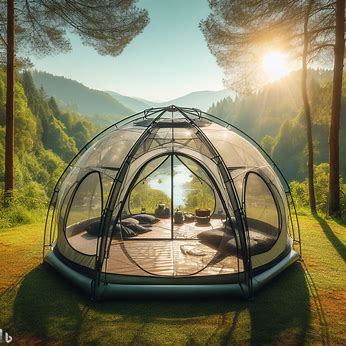
Thanks to their innovative structure, inflatable tents provide noticeably more headroom and interior volume compared to typical poled tents. You can comfortably stand up, move around, and change clothes inside. This roomy interior feels downright palatial compared to low-profile backpacking tents.
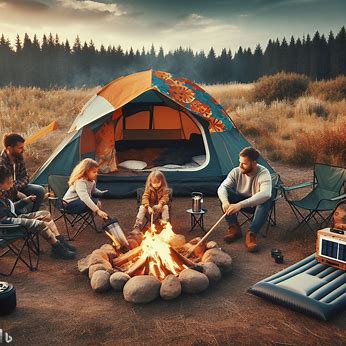
The extra space also makes inflatables fantastic for camping with families or car camping where weight is not an issue. Kids and gear can easily fit inside. Features like separate bedrooms and tall “stand-up” middle sections are common. Overall, the livability and versatility is a major perk.
All-Season Versatility
While mesh inner tents make inflatables excellent for warm-weather camping, they can adapt for colder seasons too. Many models offer stove jackets and vents for hot tenting. Brands like Kodiak Canvas make 4-season inflatable tents with solid, insulated sidewalls and rain flies to handle harsh alpine conditions. From spring car camping to winter alpine trips, inflatables can do it all.
Better Weather Resistance
Inflatable tents tend to offer better weather protection than typical lightweight backpacking tents. The thick, proprietary fabrics and air-filled beams are exceptionally wind and snow-resistant. Staking them out solidly can make them as sturdy in storms as heavier 4-season tents.
If bad weather hits, rest assured that modern inflatable materials can handle rain, snow, and heavy winds while keeping your bone dry inside. From derechos to nor’easters, these tents are built to handle whatever nature throws at them.
The Case for Poled Tents
Now let’s examine the benefits of traditional poled tents. While they lack some of the modern perks of inflatables, poled tents have been proven effective by generations of campers. They remain ideal for many scenarios.
Time Tested Design
While inflatable tents are still the new kid on the block, poled tents have decades of real-world testing behind them. The basic design – poles + waterproof outer + breathable inner tent – has been refined over the years for maximum weather protection, easy setup, and reliability. Build quality and durability have steadily improved too.
For experienced campers wary of newfangled gear, it’s hard to beat this tried-and-true design perfected over the years. You know exactly what you’re getting with a quality poled tent.
Affordable Pricing
From budget-friendly Walmart tents to ultralight backpacking models, poled tents are widely available at lower price points compared to inflatables. You can get a decent 3-season model for under $100. Even premium 4-season tents from Big Agnes or MSR cost hundreds less than equivalent inflatable models.
For family and group camping, the cost savings of going with poled tents can really add up. You’re simply getting more bang for your buck. For occasional campers, the lower investment also stings less if the tent only gets used a few times a year.
Adaptability & Customization
Need a gear closet for muddy boots? How about a screen porch for bug-free chilling? Poled tents allow ample flexibility to pitch them creatively based on the conditions and your unique needs. You can add on vestibules, rain flies, screen rooms, footprint groundsheets and more. Inflatable tents don’t offer the same customization.
Poled tents give you more creative control over your shelter. Hunting camps can be camouflaged; screen houses created for summers on the lake. Pitch configurations like A-frames can handle significant snow loads. The adaptable pole structure lends itself to innovations inflatables can’t match.
Repairability
Accidents happen on camping trips. Individual tent poles and fabrics are easy to replace and repair compared to inflatable beams and proprietary fabrics. A seized zipper or small tear is a quick fix – just whip out the repair kit you hopefully remembered to pack!
With an inflatable camping tent, damage to the air beams often necessitates sending the entire tent back to the manufacturer for costly repairs. For people who camp frequently in rough terrain, the ease of fixing poled tents themselves is a major plus.
Ventilation & Temperature Control
Thanks to their mesh inners and rain fly ventilation, traditional tents breathe exceptionally well in hot, humid weather. This greatly reduces condensation and makes them more comfortable in muggy climates. Opening up doors, windows, and vents provides excellent airflow control.
Inflatable tents’ waterproof outer layers and solid frames tend to trap more heat inside. You’ll be more likely to wake up soaked in condensation. Their enclosed design gives you less fine-tuned control over ventilation on sultry nights.
Choosing Your Perfect Tent
So should you go with an inflatable or poled tent? Here are a few key factors to consider before deciding:
– Weight – For ultralight backpacking, inflatables can’t be beat. For car camping, weight doesn’t matter as much.
– Setup/Takedown Time – Inflatables are vastly quicker and easier to pitch and take down.
– Weather Resistance – Inflatables tend to offer more wind, rain, and snow protection.
– Budget – You’ll pay more upfront for a comparable inflatable tent.
– Customization – Poled tents offer more adaptability with add-ons like screen porches.
– Group Size – Inflatables provide more interior space for bigger groups.
– Repairability – Poled tents are easier to fix minor damage and worn parts yourself.
– Ventilation – Traditional tents breathe better in hot, muggy weather.
Digging Deeper: Key Features and Technologies
Now that we’ve covered the core benefits of each tent type, let’s take a more in-depth look at some of their technical features and innovations. Understanding these key characteristics will help you evaluate specific tent models.
Inflatable Tent Fabrics
Inflatable tents live and die by their proprietary fabrics. They need to be lightweight yet extremely tear resistant to handle the tensile stress. Common materials include:
– Polyester – The most affordable and widely used tent fabric. Resists UV damage.
– Nylon – Known for high strength, nylon is more tear resistant but less UV stable than polyester.
– Cotton – Used on higher-end inflatables like Kodiak Canvas. Breathable and very durable but also heavier.
– Poly/Cotton Blends – Mix the strength of polyester with the breathability of cotton for the best of both worlds.
PU Coatings – The secret sauce on inflatable tent fabrics is the polyurethane (PU) coating. This bonding provides waterproofness and high tensile strength. Look for 3000mm to 5000mm PU coatings.
Air Beam Construction
Inflatable beam technology has come a long way from the inflatable arches in bouncy castles. Different beam materials and construction methods include:
– PVC – Cheaper but heavier. PVC air beams lack internal structure so can bulge in gusty winds.
– Polyester – Lightweight yet strong. Internal I-beam design maintains form in wind. The gold standard for premium inflatables.
– Unicell Beam Wall – Smaller tubes knit together for even beam inflation and greater resilience. Found on high-end brands like Big Agnes and Nemo.
– Wide Body Beams – Single large air tubes for fastest inflation. Require less staking but provide less structure. Common on budget tents.
Poled Tent Fabrics
Traditional poled tents also utilize specialized fabrics and coatings:
– Ripstop Nylon – Woven with interlaced reinforcement threads for tear resistance. Lighter than polyester.
– Siliconized Nylon – Silicon coating cuts down on fabric noise in windy conditions.
– Polyurethane Coating – Waterproofing applied to the outer fly, though less critical than on inflatables. Look for 1500-3000 mm ratings.
– SilNylon – Ultra lightweight nylon impregnated with silicone for water repellency. Used on UL shelters.
– Canvas – Heavy duty cotton canvas offers vintage appeal on wall tents and safari-style models.
Pole Types
Poled tents use different pole materials based on priorities like weight, strength, and packed size:
– Aluminum – Super lightweight but can bend in high winds. Common in backpacking tents.
– Steel – Extremely strong and wind resistant but heavier. Used on expedition tents.
– Fiberglass – Good balance of sturdiness and packability. Popular choice for camping tents.
– DAC Featherlite NSL – Premium tent poles renowned for their unmatched strength-to-weight ratio. Found on high-end tents.
Tent Stakes
Don’t underestimate the importance of good stakes, which provide tension and security for both tent types:
– Y-Beam Stakes – Hold best in loose soils. Easy to insert but bend out over time.
– V-Angle Stakes – Stronger and more resistant to pull outs in hard or rocky ground.
– Shepherd Hooks – Best for sandy soils. The spiral hook shape won’t straighten under load.
– Snow Stakes – Essential for winter camping. Giant corkscrew design grips solidly in snow.
Matching Tent Features to Your Needs
Once you understand the core technologies, focus on choosing features that best match your camping style and priorities:
Backpacking – Every ounce counts, so look for lightweight inflatables or ultralight poled tents built with dyneema composite fabrics or SilNylon. Focus on packed weight and dimensions.

Bike Touring – Low packed weight still matters, but opt for inflatables or poled tents with more livable space. Quick setup after a long day riding is key.

Car Camping – Full stand-up height and roomy interiors take priority here. Look for inflatables with electric pumps or spacious cabin-style poled tents. Weight doesn’t matter.
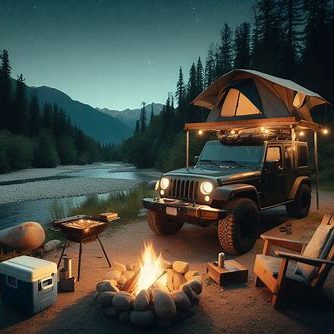
Winter Camping – Bomber construction and insulation are must-haves for snowy and alpine environments. Seek out 4 season inflatables or rugged mountaineering poled tents built to handle serious winds and precipitation.

Hot Weather Camping – Go for lightweight, well-ventilated shelters. Inflatables with removable screens and poled tents with maximum mesh and airflow options are ideal for sweltering, humid nights.

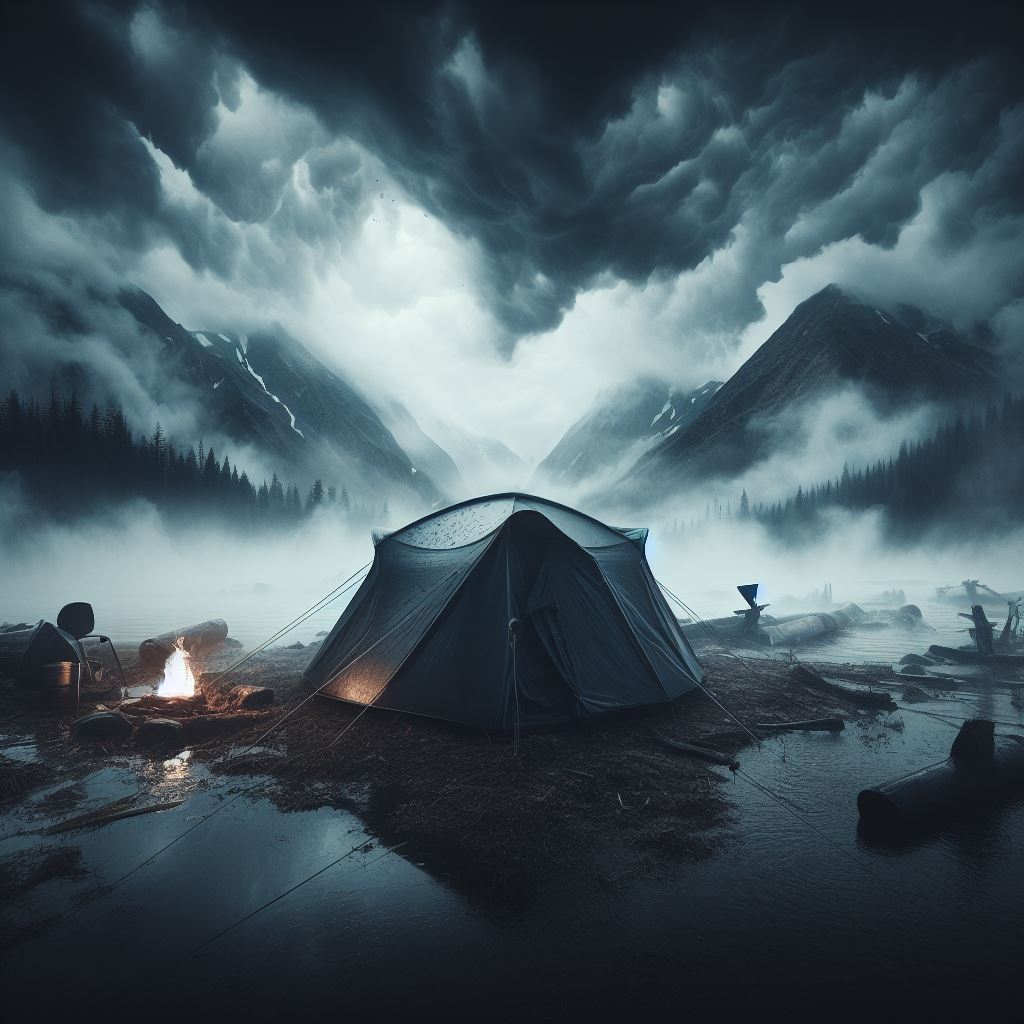
Extreme weather Camping -Brave freezing temps and gale winds in hardcore shelters like four-season tents. Seek sheltered spots to avoid the worst exposure. Insulate with thick sleeping bags and pads. Stay dry with waterproof gear. Carry extra fuel and food. Know signs of hypothermia. Don’t risk lives in dangerous conditions. Prioritize safety over summits.
Group Camping – For families or car camping crews, livable square footage and easy setup are prime. Multi-room inflatables or expansive poled tents with room for 4+ people fit the bill.

Ultimately, the “perfect” tent comes down to matching key performance metrics – packed weight and size, interior space, weather protection, ventilation, ease of setup – with your intended camping activities and weather conditions. Shop smartly!
Top Inflatable & Poled Tent Recommendations
Ready to start shopping for your ideal tent? Here are some of our top-rated recommendations in both categories:
Best Inflatable Tents
Nemo Wagontop 6P:
Spacious stand-up design perfect for families. Unicell beams add resilience.

Big Agnes Bunkhouse 4:
Innovative pole-less inflatable for easy setup at the campground.

Kodiak Canvas Flex-Bow Deluxe:
Luxuriously appointed yet rugged 4 season tent built to last.

Coleman Carlsbad 4:
Affordable, free-standing inflatable great for casual camping.

Heimplanet The Cave:
Geodesic inflatable better withstands high winds. Outstanding weather protection.

Best Poled Tents
Big Agnes Tiger Wall UL2:
Iconic ultralight backpacking tent featuring easy pitch design.

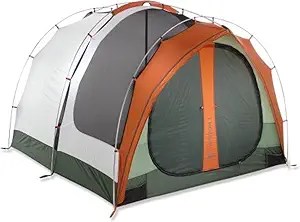
REI Co-op Kingdom 6 :
Convenient cabin-style tent with room to stand and ample vestibules.
MSR Remote 2:
Expedition-ready for serious alpine climbing and mountaineering objectives.

Coleman Sundome 4:
Time-tested budget tent ideal for short camping trips.

ALPS Mountaineering Lynx 2:
Freestanding two-person tent with great ventilation at a reasonable price.

The Takeaway
So there you have it – everything you need to know to decide between inflatable tents and poled tents. Both offer great performance with the right features to match your camping style and budget. Inflatables take the cake for quick setup and packability. Poled tents win on ventilation and customization.
There’s no universally “superior” choice overall – pick the tent type that’s optimal for your next adventure! With smart shopping, you’ll find the perfect shelter to make lasting memories on your outdoor getaways. Here’s to many nights under the stars ahead!
The Great Tent Debate: Inflatable vs. Poled is a topic that has been raging among campers for years. Some people swear by the convenience and ease of use of inflatable tents, while others prefer the sturdiness and reliability of poled tents. So, which type of camping tent is right for you?

 Tenting Thrills